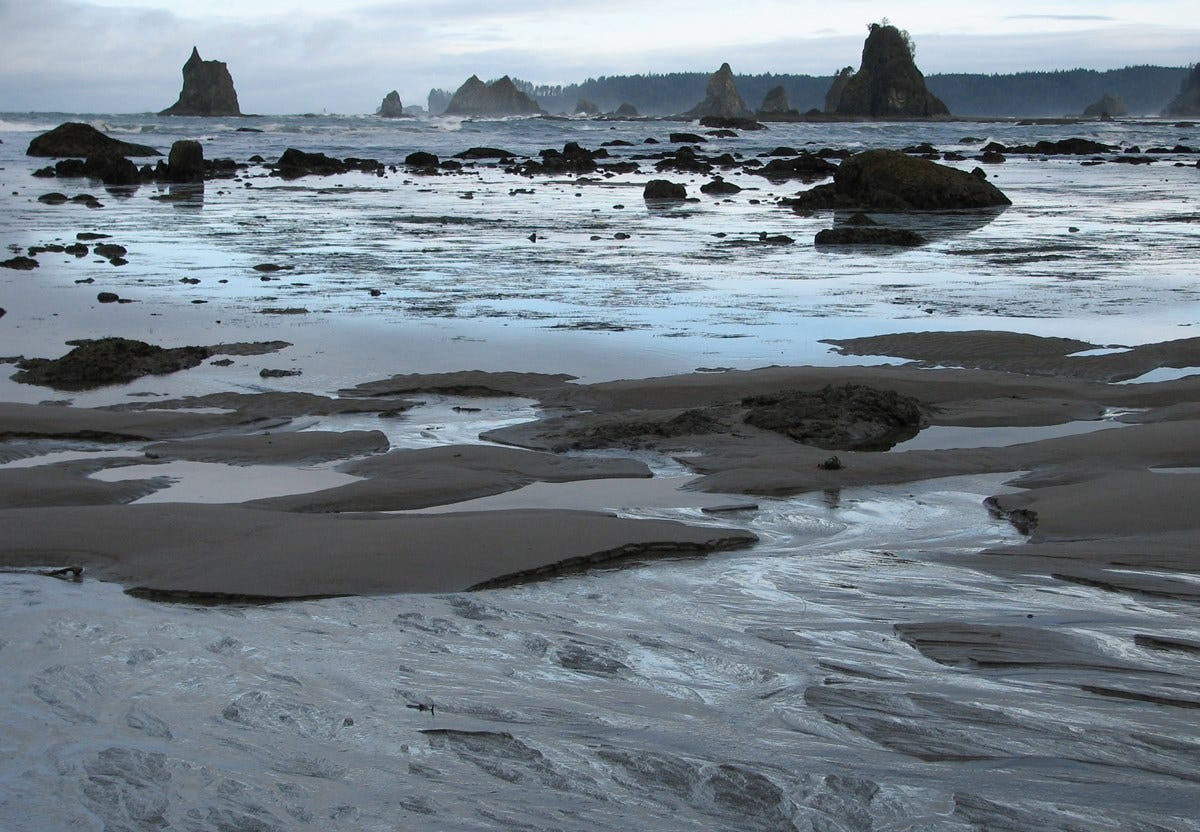
Olympic National Park, Washington. Credit: National Park Service, nps.gov
Tides Can Change
Most people consider tides a regular and predictable phenomenon, the rise and fall of marine waters caused by the Moon and the Sun, predicted down to the minute with tide prediction software, such as WorldTides™. However, scientists now believe that tides are changing globally, but not due to the movements of celestial bodies. Instead, people are changing the tides.
Human Changes to Waterways
Engineers have known that the tides can change locally since the 19th century. The dredging of river channels or the filling of coastal wetlands can result in shifting habitats, affecting the tides. The tidal ranges are more extensive in some places while more minor in others. For coastal residents, this shift in tides has a significant impact. As people burn fossil fuels and emit more heat-trapping greenhouse gases, global warming is melting ice caps and increasing ocean volume. Those rising sea levels pose a threat to many coastal communities. According to Ivan Haigh, an oceanographer at the University of Southampton, UK. “What people don’t realize is that if the tidal range is increasing, it will exacerbate that even more.”
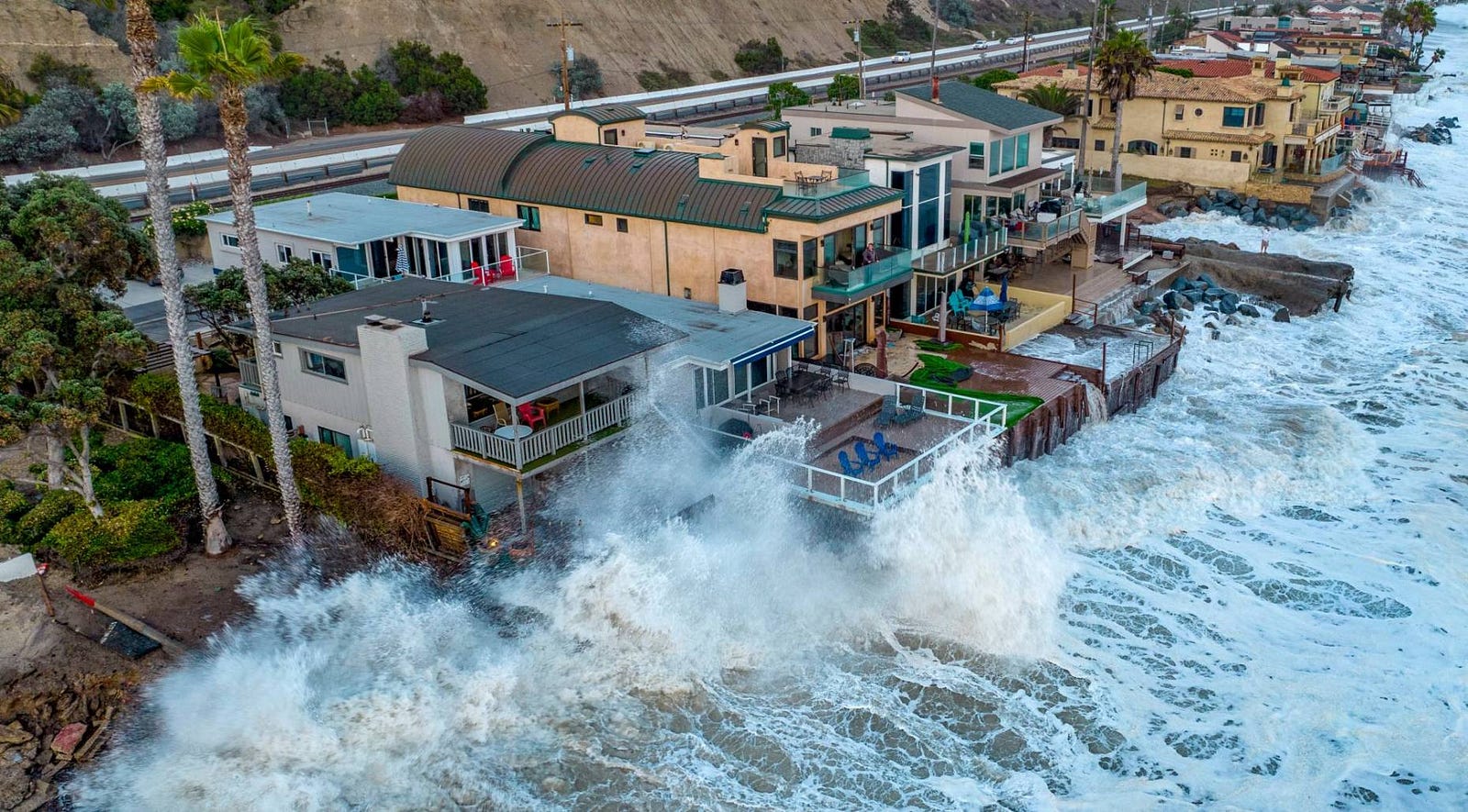
Capistrano Beach During a King Tide (very high tide). Credit: OC Register
Tides have changed dramatically in places where people have altered the underwater landscape. The tidal range in Wilmington, North Carolina, has doubled, to 1.55m, 5.1ft, since the 1880s due to dredging to deepen a ship channel along the Cape Fear River. This is also true in Jacksonville, Florida, which sits along the dredged St. Johns River.
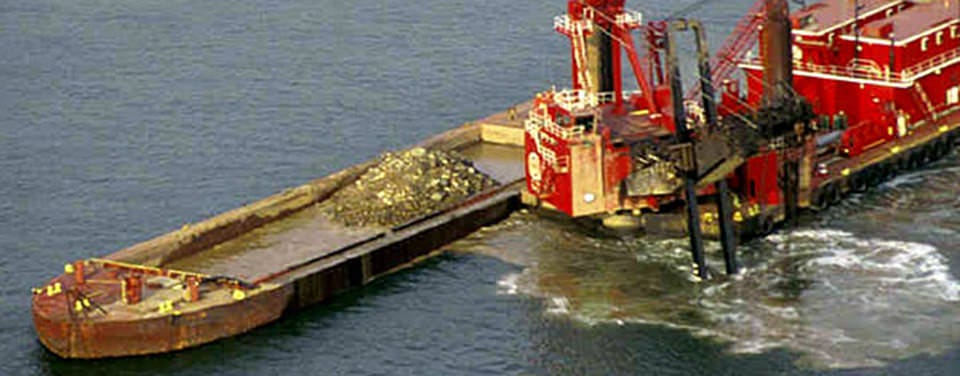
Dredging in New York Harbor. Credit: NOAA
Sacramento’s tides disappeared in the late 1800s after mining from the Gold Rush resulted in silt rushing downstream. Later, dredging of the Sacramento River restored them. London’s Thames estuary has also been widened and deepened over centuries as engineers have narrowed and deepened the river — its tidal range has increased from around 2m, 6.6ft, during Roman times to approximately 8m, 26.2ft, in Victorian times.
Depth, Resonance and Local Tide Range
According to Haigh, water depth influences tidal changes as well. In shallow water, tides propagate as waves, so they change the most wherever the water is shallow. Because of this, the Bay of Fundy bordering Nova Scotia and New Brunswick has some of the world’s highest tides, with levels rising and falling more than 11m every day. As sea levels rise, places like this will likely see considerable changes in tidal ranges.

