Ancient Tides Were Not the Same
The tides in coastal cities and beaches are so regular that almanacs predict how they will behave years in advance. Thousands of years ago, those predictions would have been impossible. Researchers report that geological forces acting over thousands to millions of years have caused the tides in certain regions to fluctuate dramatically over time. These forces include plate tectonics, ice ages, land uplift, erosion, and sedimentation.

Patagonia Glacier. Credit: Trey Ratcliff from Flickr via University of Cambridge
As an example, tides along the East Coast of the United States may have been much higher than they are today; a difference between low tide and a high tide of 10–20 feet (3–6 meters), as opposed to the current 3–6 feet (1–2 m) range.
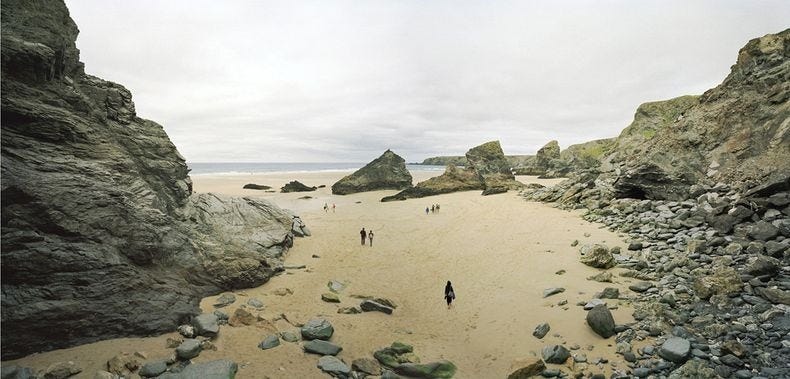
Bedruthan Steps, Cornwall August 2007. Low water 2 pm. Credit: Michael Marten
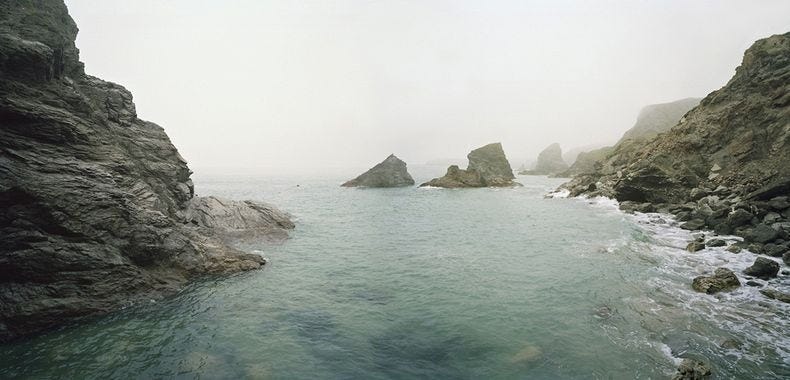
Bedruthan Steps, Cornwall August 2007. High water 4:30 pm. Credit: Michael Marten
The Bay of Fundy Example
Thousands of years ago, the Bay of Fundy, which now has one of the most extreme tidal ranges globally, 55 feet (17 meters), didn’t amount too much. On the other hand, the tides on the US Atlantic coast, from North Carolina to Florida, were about 75 percent higher.
Researchers found that around 9,000 years ago, when the Earth was emerging from its most recent ice age, there was an amplification of the tides in the western Atlantic Ocean. The tide ranges were up to three times greater than today, and the East Coast would have seen a tidal surge.
Sea-Level Change and Resonance
Ancient tides were affected by sea-level changes caused by previous ice ages. Approximately 15,000 to 20,000 years ago, sea levels in the Northern Hemisphere dropped by 300 feet (91 meters) because of massive ice accumulations.
Without the ability to predict tides, our lives today would be completely different. Coastal communities, marine commerce, and those who depend on the ocean for their livelihood would be affected.

