Practical Tide Knowledge
“Whatever speculation about the tide’s cause or secret harmony, the earliest coastal people most certainly accumulated vast practical knowledge about daily, weekly, monthly, and yearly tide patterns. They needed this information to survive, to know where and when to pick mussels or gather seaweed in the intertidal zone, when to launch a boat, and how to take advantage of currents. You only need to paddle against the tide once to be convinced never to try it again.” Excerpt from “Tides: The Science and Spirit of the Ocean by Jonathan White”
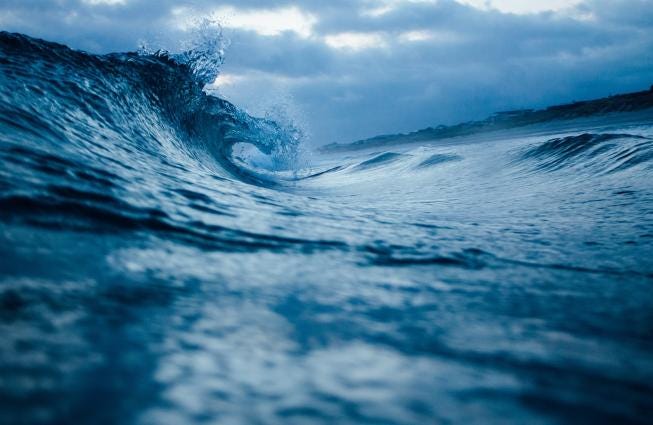
Credit: Smithsonian, https://ocean.si.edu/
Navigation
In Navigation
The tides affect the currents and depth in coastal regions. During high tide, ships may need to navigate the waters carefully or risk running aground. The pilots of large boats may choose to travel when tides are lowest to get tall loads under bridges. They decide when to travel based on the water level, the width of the channels, and the direction of the water flow.
Tidal flows can also help or hinder the progress of a ship in the water. Pilots can use the current to move the craft to its destination. Marine and inland shipping benefit from a thorough understanding of how tides affect navigation.
Tidal Energy
Tidal Energy
Every 24 hours, there can be up to two high tides and two low tides. The tides’ rapid movement of water during the inflow and outflow can provide a source of renewable energy to communities along the coast. Like rivers, hydroelectric plants can exploit water flow to generate electricity.
In Fishing
Commercial fishers follow the tides and fish during the highest concentration levels to optimize their economic investment and make more efficient use of their time. Fish tend to concentrate during ebb tides. Recreational anglers may also fish during ebb tides since smaller fish attract larger trophy fish.
As well as fish and ocean plants, tides affect other aspects of ocean life. Tidal currents carry plants and animals between breeding areas and deeper waters. Marine plants and animals rely on the tides to remove pollutants and circulate nutrients to survive.
Tidal Zone Foods
The tidal zone is home to crabs, mussels, snails, seaweed, and other edible sea life. Sea creatures found in these regions are harvested for food. Tidal pools may also contain small fish and sea vegetables. These diverse creatures would die without regular tides, diminishing food resources.
Weather
The weather would be very different in a world without tides. Tidal forces affect ocean currents, which move warm and cold water around the Earth. Climate conditions on the planet are more predictable and habitable due to this movement. Cold ocean currents bring cooler, drier weather, while warm ocean currents bring warmer, wetter weather.

